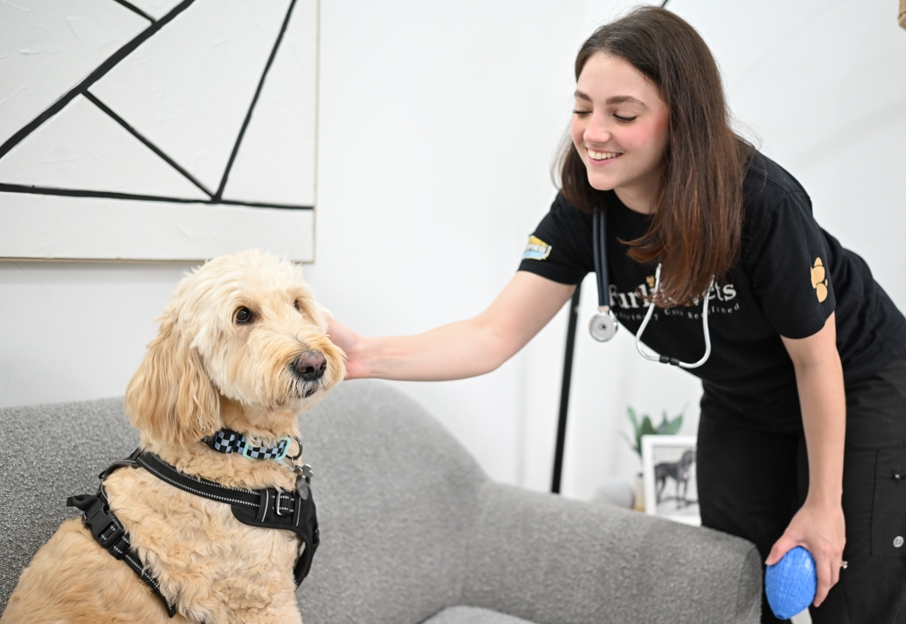

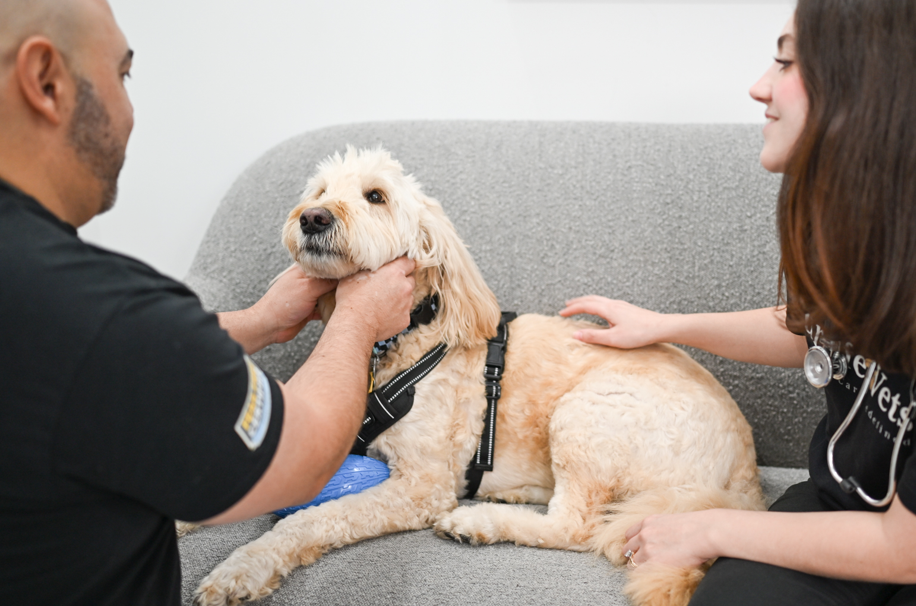

South Florida pet hurricane preparedness is essential during hurricane season, especially for families with dogs, cats, and other pets. At FurlifeVets Pet Hospital, we help pet owners throughout Delray Beach, Boca Raton, and surrounding areas prepare for storms safely while reducing stress and anxiety for their pets.
Hurricane season in South Florida can be unpredictable, stressful, and dangerous for both people and pets. At FurlifeVets Pet Hospital, we believe preparation is one of the most important ways to keep your furry family members safe during severe weather emergencies.
Every year, many pet owners wait until the last minute to prepare. Unfortunately, that often leads to empty store shelves, unavailable boarding facilities, limited hotel options, and unnecessary panic. The best approach is preparing long before a hurricane warning is issued.
This guide will walk you through everything you need to know about South Florida pet hurricane preparedness, including evacuation planning, emergency supply kits, stress reduction tips, and how to keep your pets comfortable and safe throughout hurricane season.
Why South Florida Pet Hurricane Preparedness Is So Important
South Florida faces unique hurricane risks due to its coastal location, tropical climate, flooding potential, and high population density. Even tropical storms can create major disruptions including:
- Power outages
- Flooding
- Road closures
- Evacuation orders
- Limited access to veterinary care
- Dangerous heat and humidity
For pets, these situations can quickly become overwhelming. Loud thunder, changing environments, disrupted routines, and transportation can all trigger stress and anxiety.
At FurlifeVets Pet Hospital, our Fear Free approach focuses on reducing fear, anxiety, and stress whenever possible, especially during situations that may already feel overwhelming for your pet.
Build a Pet Hurricane Emergency Kit
One of the most important parts of hurricane preparedness for pets in South Florida is creating a dedicated emergency kit.
Ideally, your pet emergency kit should be waterproof, portable, and easy to grab quickly if evacuation becomes necessary.
Food and Water
Keep at least a two-week supply of:
- Pet food
- Bottled water
- Treats
- Food containers
- Manual can opener for canned food
South Florida heat can become extremely dangerous during extended outages, and hydration is critical for both dogs and cats.
Pack Medications and Medical Records
If your pet takes medication regularly, make sure you always have extra doses available during hurricane season. Check out our online pharmacy.
Important items include:
- Prescription medications
- Flea and tick prevention
- Heartworm prevention
- Vaccination records
- Medical history
- Emergency contact information
- Your veterinarian’s information
We strongly recommend storing digital copies on your phone or cloud storage as an additional backup.
Prepare a Pet First Aid Kit
A pet first aid kit can help manage minor injuries until veterinary care becomes available.
Supplies may include:
- Gauze
- Bandages
- Non-stick pads
- Antiseptic wipes
- Saline solution
- Digital thermometer
- Disposable gloves
- Tweezers
- Styptic powder
Having basic emergency supplies ready ahead of time can save valuable time during stressful situations.
Make Sure Your Pet Has Proper Identification
One of the biggest risks during hurricanes is pets becoming separated from their families.
Every pet should have:
- A collar with updated ID tags
- A secure leash or harness
- A registered microchip with current contact information
Microchips are especially important because collars can sometimes break or fall off during emergencies.
If your pet already has a microchip, verify that your contact information is fully up to date before hurricane season starts.
Have a Crate or Carrier Ready
Every pet should have access to a sturdy carrier or crate large enough for comfortable movement.
Crates and carriers help:
- Prevent escapes
- Keep pets safe during travel
- Reduce anxiety
- Create a familiar resting area
Cats should always travel in secure carriers, and dogs should either be crated or safely restrained during transportation.
If your pet is nervous around carriers, start introducing them early using treats, blankets, and positive reinforcement.
Bring Comfort Items
Storms can be frightening for animals. Familiar items can help pets feel calmer and safer during evacuations or sheltering at home.
Helpful comfort items include:
- Favorite toys
- Blankets
- Bedding
- Familiar treats
- Clothing with your scent
Maintaining normal routines whenever possible can also help reduce anxiety.
Keep Recent Photos of Your Pet
Always keep recent photos of both you and your pet together.
These photos can:
- Help identify lost pets
- Verify ownership
- Assist rescue organizations or shelters
Store photos digitally and keep printed copies inside your emergency kit.
Pack Portable Feeding Supplies
Collapsible food and water bowls are lightweight, easy to transport, and ideal for emergency situations.
These portable supplies make feeding much easier during evacuations, hotel stays, or temporary shelter situations.
Cat Owners Should Prepare Litter Supplies
If you have cats, your emergency supplies should also include:
- Portable litter boxes
- Extra litter
- Waste bags
- Cleaning supplies
Cats are especially sensitive to environmental changes, so bringing familiar litter may help reduce stress.
Plan Your Evacuation Early
One of the most important aspects of South Florida pet hurricane preparedness is having a clear evacuation plan before you actually need it.
Research:
- Pet-friendly hotels
- Emergency boarding facilities
- Friends or family outside evacuation zones
- Local emergency shelters that allow pets
Do not assume every shelter accepts animals.
Many shelters require:
- Vaccination records
- Carriers
- Leashes
- Advance registration
Preparing ahead of time gives you far more flexibility if evacuation orders are issued.
Never Leave Pets Behind During a Hurricane
If conditions become unsafe for you, they are unsafe for your pets too.
Never leave pets alone during:
- Hurricanes
- Flooding
- Evacuations
- Extended power outages
Even if you think you will return quickly, storms can shift unexpectedly and prevent access to your home.
Sheltering at Home With Pets
If you stay home during a storm:
- Keep pets indoors
- Use secure rooms away from windows
- Keep leashes nearby
- Avoid outdoor bathroom breaks during severe weather
- Monitor pets closely for anxiety
Some pets may attempt to escape due to fear from thunder or strong winds.
Recognizing Hurricane Anxiety in Pets
Many pets experience storm anxiety.
Signs may include:
- Trembling
- Hiding
- Pacing
- Excessive panting
- Barking or vocalizing
- Destructive behavior
- Loss of appetite
At FurlifeVets Pet Hospital, we understand how stressful storms can be for pets. Our Fear Free approach focuses on making veterinary care and stressful situations less overwhelming for animals.
[show_random_testimonials_grid]
If your pet struggles with severe storm anxiety, speak with your veterinarian before hurricane season begins. There may be calming strategies, environmental adjustments, supplements, or medications that can help.
Prepare for Power Outages
South Florida heat and humidity can quickly become dangerous after power outages.
This is especially important for:
- Senior pets
- Flat-faced breeds
- Pets with heart or respiratory conditions
- Small animals
During outages:
- Keep pets hydrated
- Limit activity
- Use battery-powered fans if possible
- Stay in the coolest part of the home
- Monitor for overheating
Signs of heat stress may include:
- Heavy panting
- Drooling
- Weakness
- Vomiting
- Collapse
If you suspect heatstroke, seek veterinary attention immediately.
Don’t Forget Exotic Pets
Birds, rabbits, reptiles, and other exotic pets also need emergency preparation plans.
Be sure to pack:
- Specialized food
- Habitat supplies
- Heating equipment
- Cleaning materials
- Species-specific medications
Exotic pets can be especially vulnerable during power outages and temperature fluctuations.
Book an appointment now!
The Most Modern & Cozy Veterinary Hospital in Delray Beach, Florida
Additional Hurricane Preparedness Resources
For additional hurricane safety and emergency planning information, visit:
- FEMA Hurricane Preparedness
- AVMA Pet Disaster Preparedness Guide
- ASPCA Disaster Preparedness for Pets
Stay Calm and Prepared
Pets often pick up on human emotions. Remaining calm and organized can help your pets feel safer during emergencies.
Preparing your supplies early, practicing evacuation plans, and maintaining routines whenever possible can make hurricane season significantly less stressful for everyone.
At FurlifeVets Pet Hospital, we are committed to helping South Florida pet owners keep their pets healthy, comfortable, and safe throughout hurricane season and beyond.
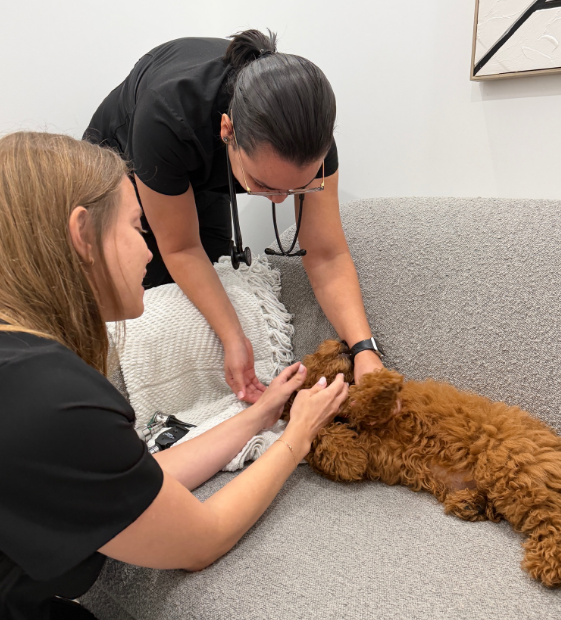
If you have questions about your pet’s medications, anxiety, travel preparation, or emergency planning, our team is always happy to help.